

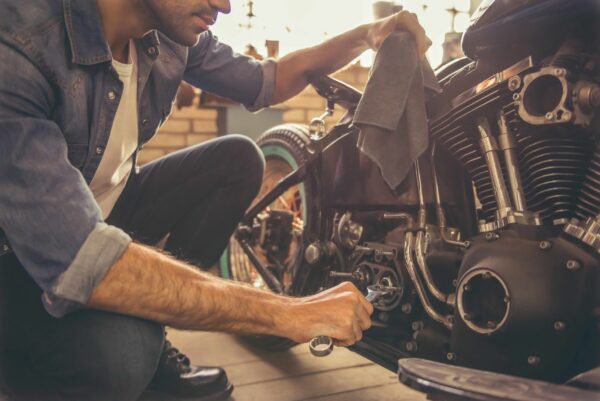
After winter storage many motorcycles need careful inspection before returning to regular road use. A proper basic motorcycle maintenance checklist helps riders discover leaks, weak batteries, worn tires, or brake problems before they become serious during the riding season. Even small inspection steps can improve safety, reliability, and riding comfort for many months ahead.
Walkaround Inspection Before Riding
The first maintenance step is very simple, but often overlooked. Walk slowly over the motorcycle from front to rear, looking for anything unusual. In a calm garage setting it’s easier to spot small leaks, loose bolts, or worn components than while you are riding.
Oil streaks around fork tubes suggest damaged fork seals. Check under the motorcycle for wet spots. Coolant, fuel or oil leaks can lead to bigger mechanical problems later on. Dirt can sometimes cover the real source of leaks, so it is easier to inspect a clean motorcycle.
At this point, moving parts also require attention. During the season, swingarm pivots, side stands, suspension linkages, and bearings are often not maintained. Dry or dirty pivot points can cause noise, poor suspension movement, or premature wear.
Inspect the electrical equipment as part of the walkaround process. Before the first ride of the season, riders should check headlights, brake lights, turn signals and horn operation. Also, make sure your registration and insurance documents are up to date before you hit the public roads again.
Battery Condition and Electrical System
Cold weather and long storage periods can weaken motorcycle batteries. A maintenance charger helps keep proper voltage during winter months, although many riders forget to connect one regularly. Batteries that discharge completely may lose lifespan much faster than expected.
Checking Battery Performance
A multimeter can help riders measure battery condition. Most healthy batteries should show more than 12.5 volts while the motorcycle remains switched off. Weak voltage often means charging problems or battery wear.
Several signs may also indicate battery problems without using special tools:
- Slow engine cranking during startup
- Weak or dim headlights
- Electrical accessories working inconsistently
- Clicking sounds during ignition attempts
- Corrosion around battery terminals
A motorcycle battery will normally last 2 to 5 years, with the lifespan depending on the storage, weather, and frequency of charging. Changing a battery before it dies can often save roadside troubles and towing bills down the road.
Tires and Wheels Inspection
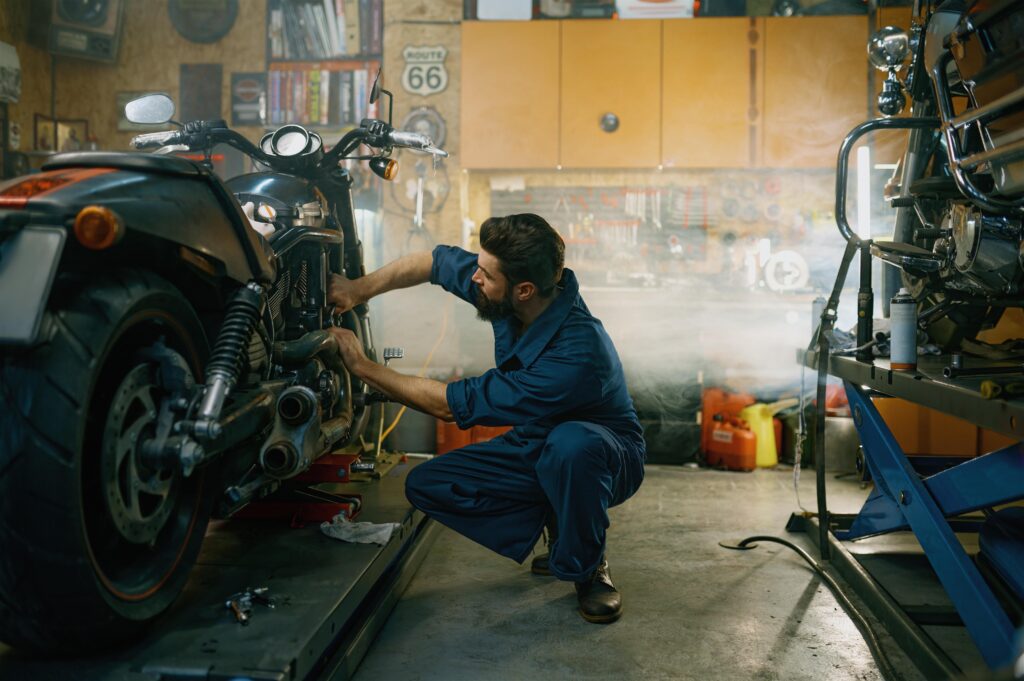
Braking performance, handling, and stability are strongly affected by the tires. Tread depth, sidewalls and tire pressure should be checked before every new riding season. Cracks, dry rot, or hardened rubber can reduce your grip on the road, especially in wet or cold conditions.
Many riders only consider the tire age, but the tire condition is more important than the manufacturing date. Tires get worn out before age becomes the biggest problem for regularly used motorcycles. But older tires require a close inspection, because oxidation gradually changes the flexibility of rubber with age.
Tread wear indicators alert riders when to replace. When the wear bars are even with the tread grooves, the tire is no longer serviceable. Uneven wear can also be a sign that your alignment or suspension is off and needs to be checked.
Wheel condition matters together with tire condition. Missing balancing weights, damaged bearings, bent rims, or loose spokes may create vibration and unstable handling at higher speeds. Riders should lift the motorcycle when possible and rotate wheels by hand to feel for rough bearing movement.
Final Drive and Chain Maintenance
Motorcycles use chain, belt, or shaft drive systems. Every system requires inspection before the riding season begins because neglected drive components may fail during acceleration or highway riding.
Chain and Sprocket Inspection
All chains must be free moving, without seized links or excessive rust. Dirty chains suck up debris, which increases the wear and tear of sprockets and rollers. Most riders will clean their chains with solvent and a soft brush and then apply new lubricant evenly over the whole surface.
Correct chain adjustment is also important because chains that are too loose or too tight can damage drivetrain parts. The alignment tools allow riders to more accurately check the position of the rear wheel than by simply eyeing the swingarm marks.
For chain maintenance riders usually perform these steps:
- Inspect sprocket teeth for unusual wear
- Clean chain dirt and old lubricant
- Lubricate chain evenly after cleaning
- Measure chain slack carefully
- Verify wheel alignment after adjustment
Brake System and Fluid Checks
Brake inspection should never be delayed before the riding season starts. Brake pads must contain enough friction material to remain safe during emergency stopping situations. Riders should also inspect rotor surfaces for grooves, glazing, or excessive wear.
Light surface rust after storage is usually normal and disappears after riding briefly. Deep scoring or warped rotors however may require replacement or professional service. Brake pad wear should stay even across both sides of the brake system.
Brake lines should be looked at as well. With age, pressure and heat cycles can cause older rubber lines to crack or soften. Stainless steel brake lines usually give a better feel and more durability than the standard rubber hoses.
Oil, Coolant, and Filter Service
Engine oil protects internal motorcycle parts from friction, heat, and contamination. Riders who skipped oil service before winter should replace oil before regular riding begins again. Oil age matters almost as much as mileage because moisture develops inside engines during repeated short rides and temperature changes.
Liquid cooled motorcycles also require coolant maintenance. Fresh coolant helps prevent corrosion and keeps engine temperatures stable during hot weather or traffic conditions. Some riders replace coolant every second season together with a new radiator cap for additional reliability.
Oil filters should always be replaced together with fresh oil. Dirty filters reduce oil circulation and allow contaminants to remain inside the engine. Air filters and fuel filters also require inspection because blocked filters reduce engine efficiency and throttle response.