

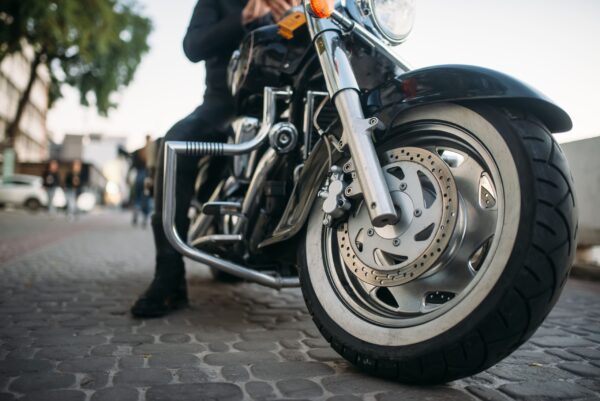
Every rider understands that motorcycle maintenance affects safety, comfort, and engine life on the road. A motorcycle with poor care can develop problems very fast, especially during long rides, bad weather or heavy traffic conditions. Regular inspection of important parts helps riders avoid mechanical trouble and expensive repairs later.
Tires and Wheels in Motorcycle Maintenance
Tires touch the road directly, so their condition is always a matter of concern. Some old or damaged tires can reduce grip when cornering and braking. Many manufacturers recommend that they be replaced at about the five–year mark, even if the tire wear still looks OK from an outside inspection.
Examine motorcycle tires for cracks, cuts, dry rot, punctures and low tread depth. Before a long ride, check the tire pressure too, as the wrong pressure will change the stability of the motorcycle and its fuel consumption. New tires should always have valve stems replaced to prevent air leaks down the road.
The wheels of a motorcycle also need to be checked regularly. Bent rims, broken spokes, worn out–bearings or leaking seals can produce vibration and handling problems. Damage to small wheels can be dangerous at higher speeds, especially on rough roads or when braking hard.
Oil, Filters, and Important Fluids
Engine oil protects the internal parts. It protects from heat and friction. The protective properties of dirty oil are lost and it can increase engine wear with time. Motorcycle manuals usually give the proper type of oil and replacement interval for each model and engine design.
Many riders follow these common oil replacement intervals:
- Mineral oil – around 2,000 miles.
- Semi synthetic oil – around 5,000 miles.
- Fully synthetic oil – between 7,000 and 10,000 miles.
- Oil filter replacement – normally during every oil change.
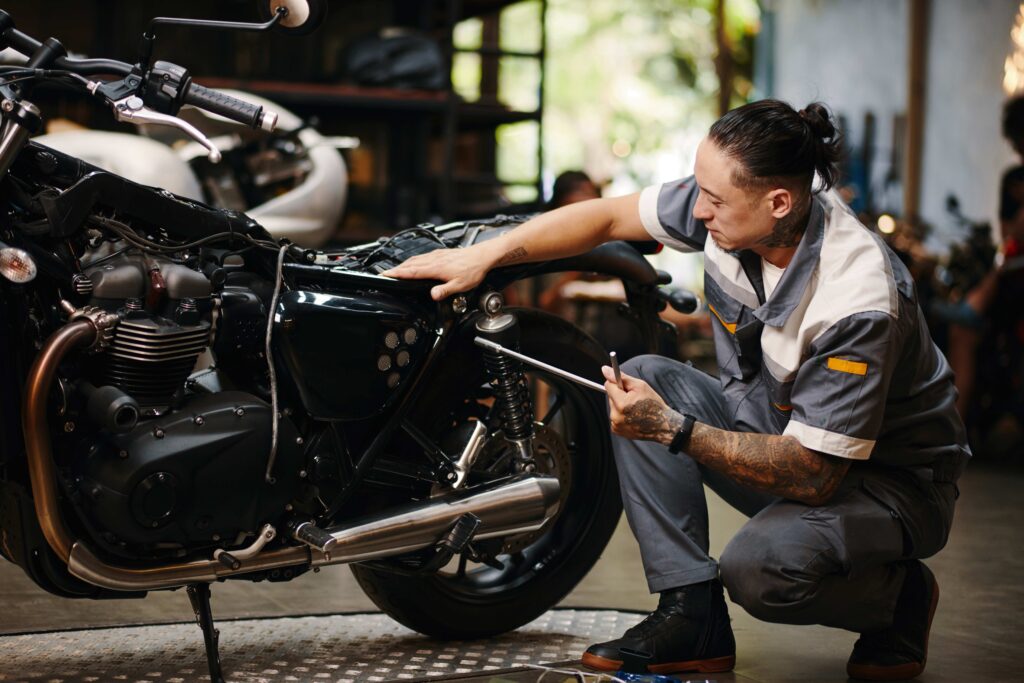
Riders usually warm up the motorcycle engine for a few minutes before draining oil. Warm oil flows easier and carries more dirt out of the system. Once the old oil has been drained, make sure the filter and drain plug are properly secured, then add fresh oil with a funnel.
Also, the brake fluid needs to be replaced because moisture gradually gets into the system as you use the system. Old fluid can reduce the braking performance and cause corrosion of the brake parts. A regular flushing of the coolant helps maintain a stable engine temperature during hot weather and long rides.
Air Filter and Battery Care
A clean air filter allows proper airflow into the engine. When dirt blocks the filter, the motorcycle may lose power, consume more fuel or produce rough throttle response. Road motorcycles often require air filter replacement near 5,000 miles, although dusty environments may require earlier inspection.
Battery care becomes very important during winter or long storage periods. Weak batteries often create hard starting problems and unstable electrical performance. Many riders use maintenance chargers to keep battery voltage stable while the motorcycle stays parked for weeks.
Several battery checks are simple and useful:
- Inspect terminals for corrosion and loose connections
- Check headlight brightness before riding
- Test battery voltage with a multimeter if possible
- Inspect spare fuses and fuse box condition
- Apply dielectric grease on battery terminals after cleaning
Chain, Belt, and Sprocket Inspection
Motorcycles use a chain or belt drive. Both systems need to be checked regularly. Worn drive components can influence acceleration and riding safety. Chains are always exposed to road debris, rain and dirt, which makes it necessary for them to be cleaned and lubricated regularly.

The motorcycle chain should be free of frozen links and heavy rust. It should move freely. Too much slack can cause poor power transfer and uneven sprocket wear. Riders often clean chains with a brush and safe solvent then carefully apply fresh lubricant all over the chain surface.
The longevity of a chain varies greatly depending on maintenance habits and riding conditions. Some chains go bad at 5,000 miles, some last much longer with good cleaning and adjustment. Misalignment between sprockets can also cause the chain to wear out faster and make the ride unstable.
On belt–drive motorcycles, check for cracks, tears, or damaged cords. Belt tension that is too tight or too loose can damage the bearings and transmission parts. Keep the belt tension within the factory specifications. After adjustment, riders should rotate the rear wheel and check tension carefully.
Brake Systems and Rider Controls
Brake condition directly impacts rider safety on every ride. Brake pads should have enough material all riding season long, as worn pads reduce stopping performance and could damage brake rotors. Riders also must check brake lines for leaks, cracks, or aging rubber surfaces.
Both steel and rubber brake lines are subject to inspection, although steel lines usually resist wear better than rubber lines. Some manufacturers suggest brake line replacement every four years to reduce the risk of failure from heat, pressure and exposure to the elements.
Regular attention should also be given to the motorcycle’s controls. Sticky throttle cables or stiff clutch cables can make riding dangerous, especially in traffic or in emergency maneuvers. Lubrication allows cables to move smoothly, and prevents corrosion inside of the cable housing.
Mirrors, signals, brake levers, and shifters should stay secure during the riding season. Loose bolts or damaged controls can slow down the rider’s reaction time and put unnecessary danger on the road. Most veteran riders track maintenance because scheduled inspection often prevents larger mechanical failures later.